Nermine Hammam
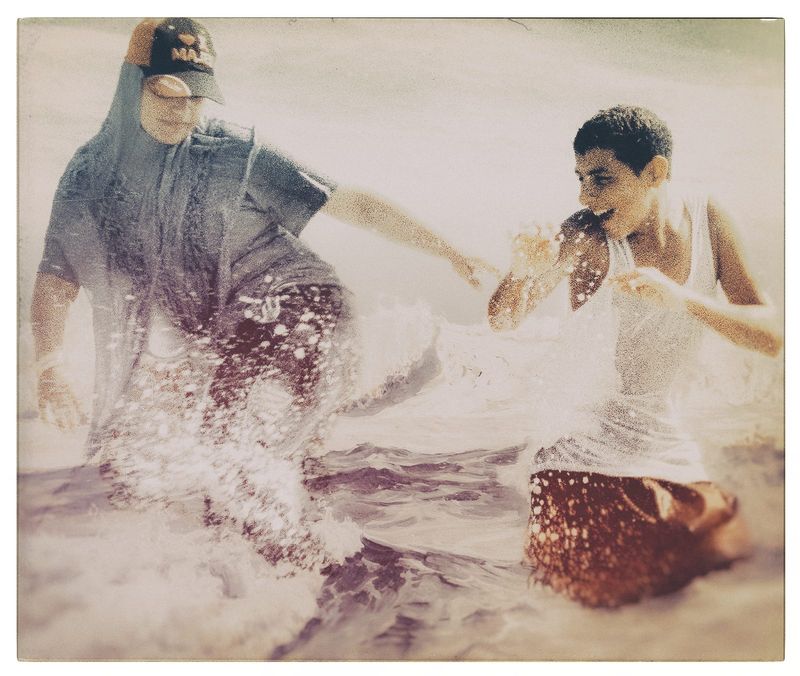
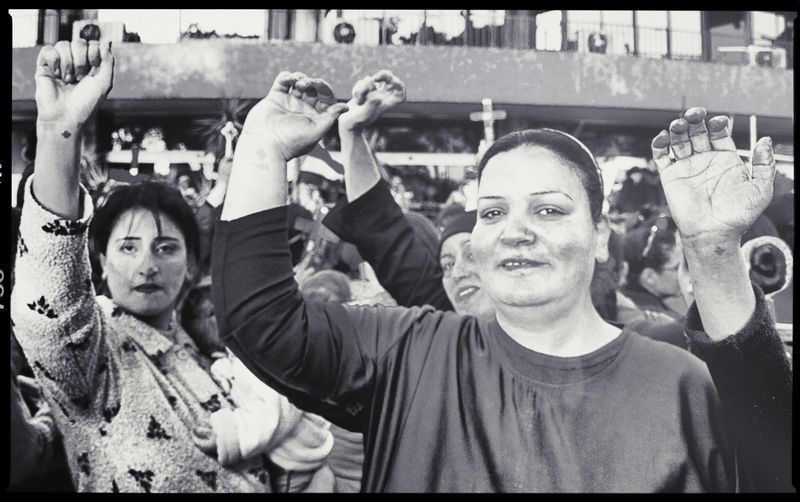
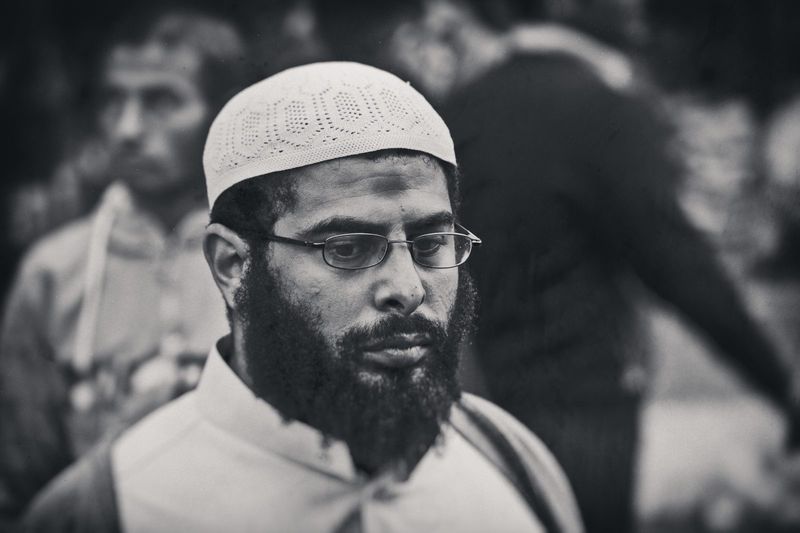
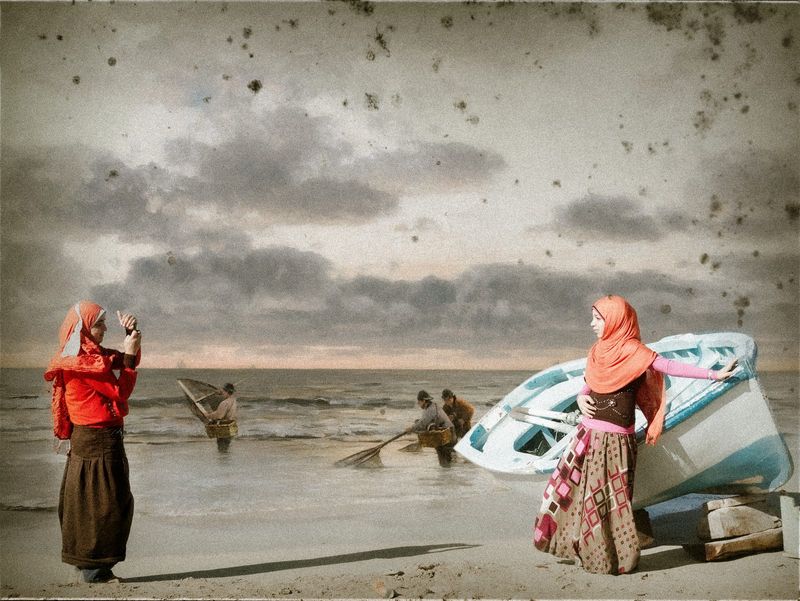
Nermine Hammam (b. 1967) was born in Cairo and trained in filmmaking at New York University’s Tisch School of the Arts. She is best known for photographic works that combine social and political statements with the trappings of popular culture and commercial photography, which she brings into the image through collage and digital manipulation. Her work is held by the Victoria and Albert Museum, the Wereldmuseum in Amsterdam and Durham University. She lives and works in Cairo and London.
Artist statement
The edges of a photograph can let in as much as they leave out. That is what I trust least in photography, and it is where the work begins.
A photograph is taken, then altered, layered and painted over, until the image comes back changed. The final image is not a record. It is what remains of what the image tried to hide.
There comes a moment when a symbol stops obeying itself: when a soldier looks fragile, when a ceremony exposes violence, when a body in trance becomes political. Power hides most effectively in familiar images, and that is where it can be undone. The work keeps returning to bodies caught on a threshold: between fear and ritual, the military and the tender, the public and the private. It is on that threshold that the surface begins to break.
My work is grounded in cinema: sequences, editing, pauses, freeze-frames. Even when a piece is still, it holds the tension of something beyond the frame, something happening or about to happen, on the edge.
Beauty is never neutral. Seductive surfaces, ornament and painterly colour slow the eye down, not to soften violence but to draw the viewer in through pleasure and leave them alone with the structures underneath: gender, militarism, faith, empire.
Since the revolutions, the trust between image and viewer has collapsed. I am not trying to restore it. In my work I ask what remains when an image stops obeying the story it was meant to serve.